

 English
 русский
 Français
 Español
 عربى
عربى
LQ-RRTO Роторное тепло хранение высокотемпературного сжигания
Оборудование
Обзор RTO-типа башня Наша компания предлагает два типа ROTARY RTO, которые представляют собой ROTARY RTO и одноклассный RTO с одной бочкой....
Смотрите детали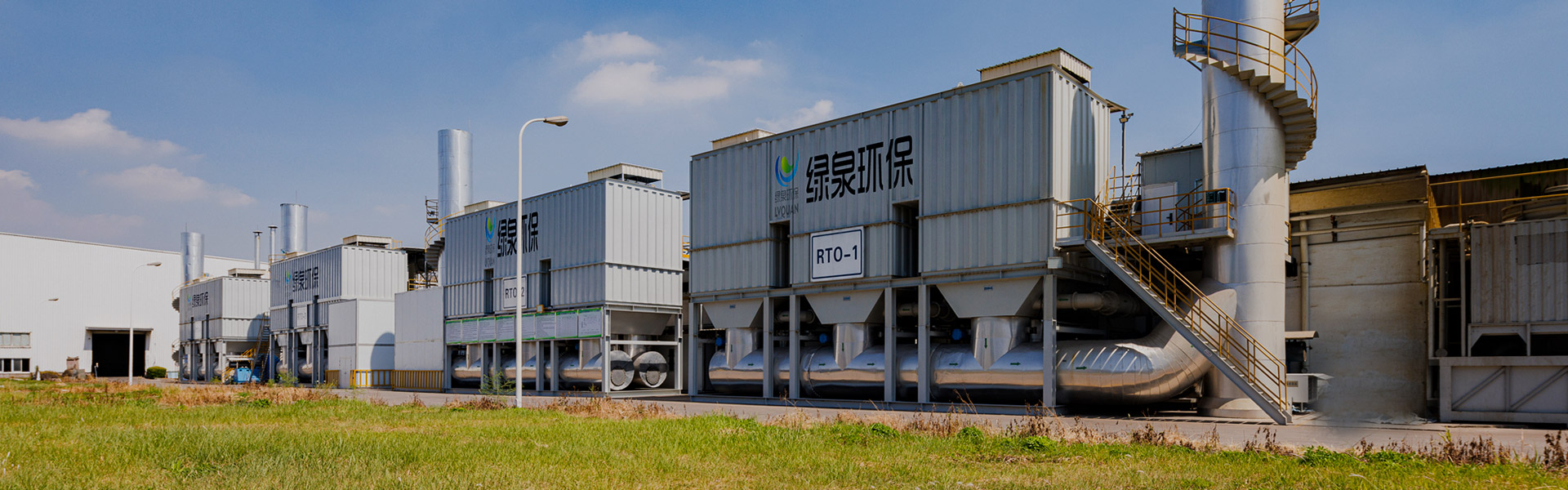
Контент
A концентратор ЛОС представляет собой промышленное устройство контроля загрязнения воздуха, которое улавливает выбросы разбавленных летучих органических соединений (ЛОС) из потоков технологических выхлопных газов и концентрирует их в меньший поток воздуха с более высокой концентрацией перед отправкой в последующую установку уничтожения, например, в регенеративный термический окислитель (RTO) или каталитический окислитель. Основное преимущество: он может сократить объем воздуха, требующего обработки, до 95%, что значительно снижает затраты на электроэнергию и эксплуатационные расходы.
С практической точки зрения, если объект выбрасывает 100 000 м³/ч воздуха, содержащего 300 мг/м³ ЛОС, концентратор может сжать эту нагрузку загрязняющих веществ всего до 5 000–10 000 м³/ч при 3 000–6 000 мг/м³ — соотношение концентрации от 10:1 до 20:1. Этот концентрированный поток гораздо экономичнее сжигать или окислять, чем исходный разбавленный выхлоп.
Концентраторы ЛОС служат важным мостом между неочищенными промышленными выбросами и технологиями окончательного уничтожения. Их роль распространяется на три ключевые функции:
Термические окислители дорого обходятся при низких концентрациях ЛОС, поскольку требуется дополнительное топливо. Концентрируя летучие органические соединения до уровней, близких к порогу самоподдерживающегося горения или превышающих его (обычно 25% нижнего предела взрываемости), концентраторы позволяют окислителям работать с небольшим количеством вспомогательного топлива или без него. Одно только это может снизить эксплуатационные затраты на электроэнергию на 60–80% по сравнению с непосредственной обработкой разбавленного потока сырья.
Экологические нормы, такие как Национальные стандарты выбросов опасных загрязнителей воздуха Агентства по охране окружающей среды США (NESHAP), GB 37822-2019 Китая и Директива ЕС о промышленных выбросах, устанавливают строгие ограничения на выбросы ЛОС. Система концентратора в сочетании с окислителем обычно обеспечивает Эффективность разрушения и удаления (DRE) выше 99% , что делает соответствие достижимым даже для потоков выхлопных газов большого объема и низкой концентрации.
Концентраторы также действуют как буферы предварительной обработки. Адсорбируя и сглаживая пиковые выбросы летучих органических соединений до того, как они достигнут окислителя, они защищают последующее оборудование от вредных скачков концентрации и улучшают общую стабильность системы.
Три доминирующие технологии различаются средой ротора, конструкцией воздушного потока и целевым применением. Понимание каждого типа необходимо перед оценкой любой системы.
Самая распространенная технология. Сотовый ротор, пропитанный гидрофобным цеолитом, непрерывно вращается в зонах адсорбции, десорбции и охлаждения. Технологический воздух проходит через зону адсорбции, ЛОС улавливаются, а небольшой поток горячего воздуха десорбирует их в зоне десорбции, производя концентрированный продукт.
Используются слои из активированного углеродного волокна в конфигурации вращающегося или фиксированного слоя. ACF обладает более высокой способностью к адсорбции ЛОС с низкой концентрацией по сравнению с гранулированным активированным углем и может обрабатывать более широкий спектр соединений, включая некоторые полярные ЛОС.
Используются два или более фиксированных слоя адсорбента (цеолита или активированного угля), которые чередуют циклы адсорбции и регенерации. Эти системы проще механически, но требуют большей площади и тщательного расчета времени цикла для поддержания непрерывной производительности.
| Тип | Коэффициент концентрации | Лучшее для | Ключевое ограничение |
|---|---|---|---|
| Цеолитовый ротор | 10:1 – 20:1 | Большой объем, неполярные ЛОС | Высокая влажность снижает эффективность |
| Ротор АКФ | До 15:1 | Полярные растворители, смешанные потоки ЛОС | Риск пожара, более высокая стоимость |
| Фиксированная кровать | До 10:1 | Рекуперация растворителя, меньшие потоки | Большая занимаемая площадь, пакетная езда на велосипеде |
Выбор правильного концентратора ЛОС требует соответствия возможностей системы вашим конкретным характеристикам выхлопных газов и эксплуатационным целям. Следующие параметры являются необсуждаемыми исходными данными для любой правильной оценки:
Прежде чем обращаться к любому поставщику, соберите:
Знайте предел выбросов, который вы должны соблюдать, выраженный в концентрации на выходе (мг/м³), массовой скорости выбросов (кг/ч) или общей эффективности удаления (%). Это определяет минимально необходимое DRE и помогает правильно подобрать комбинацию концентратора и окислителя. В настоящее время в большинстве юрисдикций требуется общее удаление ЛОС на уровне ≥95%; многим требуется ≥99%.
Не все ЛОС одинаково адсорбируются на цеолите. Соединения с очень низкими температурами кипения (например, метан, этан) неэффективно адсорбируются на цеолитовых роторах. Для высокополярных растворителей, таких как метанол, может потребоваться среда ACF. Всегда запрашивайте у поставщика данные изотермы адсорбции или результаты пилотных испытаний для вашей конкретной смеси ЛОС.
Капитальные затраты – это лишь часть картины. Оценить:
Запросите эталонные установки в вашей отрасли с аналогичным профилем выхлопа. Запросите данные сторонних тестов стека, демонстрирующие фактическую производительность DRE, а не только проектные характеристики. Ведущие поставщики, такие как Dürr, Anguil, Munters и Seibu Giken, публикуют для этой цели документированные тематические исследования.
Не существует единственного «лучшего» концентратора ЛОС — оптимальная система зависит от области применения. Однако наиболее эффективные системы имеют несколько общих измеримых характеристик:
Для крупномасштабных линий автомобильного покрытия или выхлопных систем производства электроники (обычно 50 000–300 000 м³/ч) широко используются цеолитовые роторные системы таких производителей, как Dürr или Munters. Для фармацевтических или специальных химических применений со сложными смесями растворителей системы на основе ACF часто обеспечивают превосходное удаление в более широком диапазоне температур кипения.
Даже самый лучший концентратор ЛОС будет работать недостаточно эффективно без правильной эксплуатации. Следующие методы являются стандартными для высокопроизводительных установок:
Концентраторы ЛОС предназначены для разбавленные потоки, обычно 100–2000 мг/м³. . При концентрациях выше 3000–5000 мг/м³ обычно более экономично прямое окисление без концентрирования. Ниже 50 мг/м³ эффективность адсорбции может быть незначительной, и следует оценить альтернативные технологии.
Да, при условии, что адсорбирующая среда совместима со всеми присутствующими соединениями. Цеолитовые роторы хорошо справляются с большинством ароматических, алифатических и кетоновых растворителей. Для потоков, содержащих значительные доли полярных растворителей (метанол, этанол, МЭК), может потребоваться среда ACF или ротор со смешанной средой. Всегда предоставляйте полный список растворителей разработчику системы.
Капитальные затраты сильно различаются в зависимости от объема воздушного потока и конфигурации. В качестве грубого ориентира: установка цеолитового роторного концентратора для производительности 50 000 м³/ч обычно стоит от 300 000 до 700 000 долларов США. , исключая последующий окислитель. Системы производительностью 200 000 м³/ч могут превысить 1,5 миллиона долларов. Однако экономия топлива за счет сокращенной работы окислителя обычно обеспечивает период окупаемости в 2–5 лет по сравнению с непосредственной обработкой сырьевого потока.
Нет. Скруббер использует жидкость для поглощения или нейтрализации загрязняющих веществ и обычно используется для неорганических газов (HCl, SO₂, NH₃) или водорастворимых летучих органических соединений. В концентраторе используется твердый адсорбент для улавливания и концентрирования ЛОС для последующего термического разрушения. Они направлены на разные загрязнители и действуют на совершенно разных принципах.
Нет. Концентратор улавливает и концентрирует ЛОС, а не уничтожает их. Разрушение осуществляется следующей установкой, такой как RTO, каталитический окислитель или термический окислитель. Концентратор и окислитель всегда функционируют как парная система. Ценность обогатительной фабрики заключается в уменьшении размера и эксплуатационных затрат на следующем этапе уничтожения.
При нормальных условиях эксплуатации с надлежащей предварительной фильтрацией и отсутствием химического загрязнения цеолитовые роторы обычно служат долго. 8–12 лет . Воздействие силиконов, тяжелых частиц или высококипящих полимерных соединений может значительно сократить срок службы. Регулярное тестирование адсорбционной способности — не реже одного раза в год — лучший способ отслеживать состояние ротора и заблаговременно планировать замену.
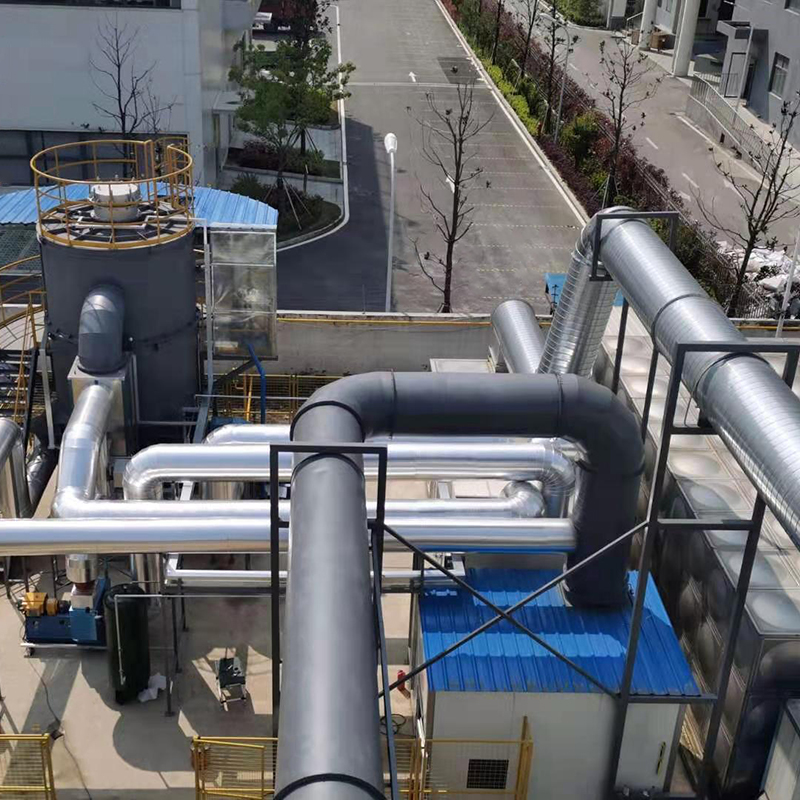
Обзор RTO-типа башня Наша компания предлагает два типа ROTARY RTO, которые представляют собой ROTARY RTO и одноклассный RTO с одной бочкой....
Смотрите детали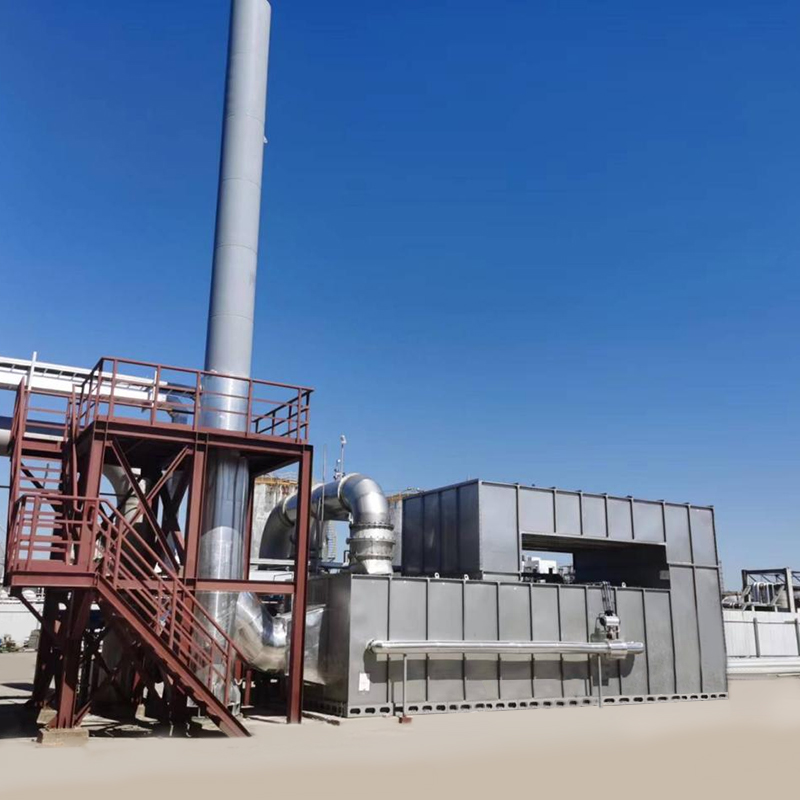
Обзор Каталитическое сжигание - это метод очистки, который использует катализаторы для окисления и разложения горючих веществ в выхлопных г...
Смотрите детали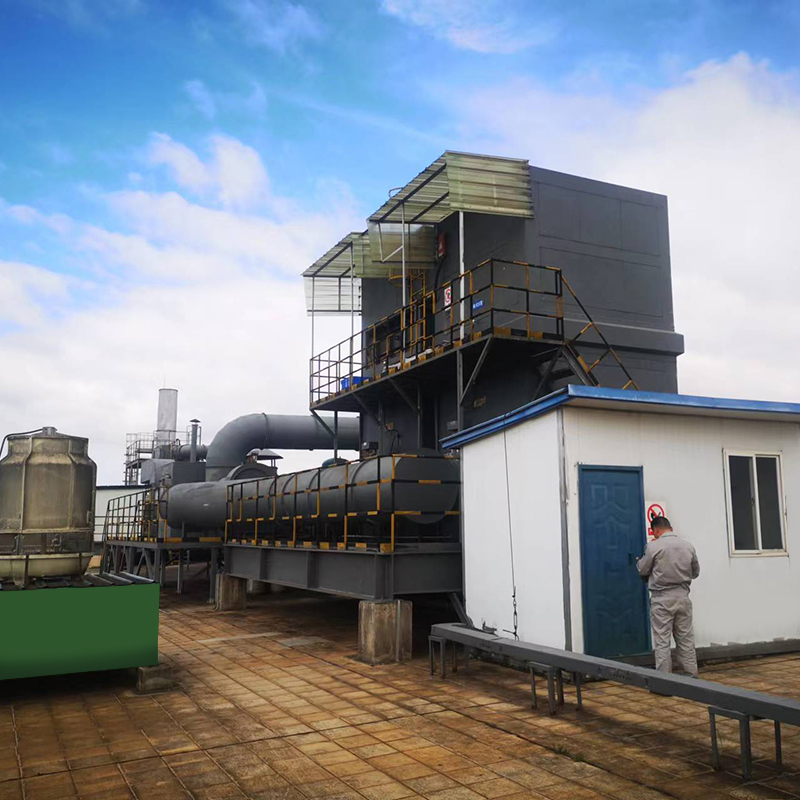
Обзор Тепловое хранилище каталитическое окисление (регенеративный каталитический окислитель/RCO) представляет собой оборудование для очистк...
Смотрите детали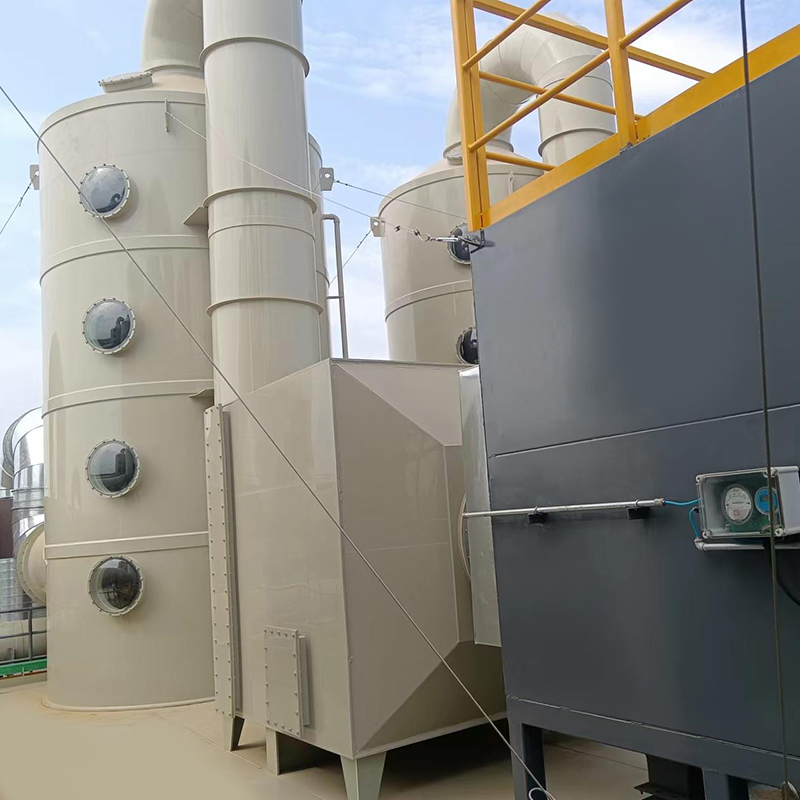
Обзор Оборудование для очистки и восстановления в серии VOC-ACA используется для поглощения, восстановления и повторного использования газо...
Смотрите детали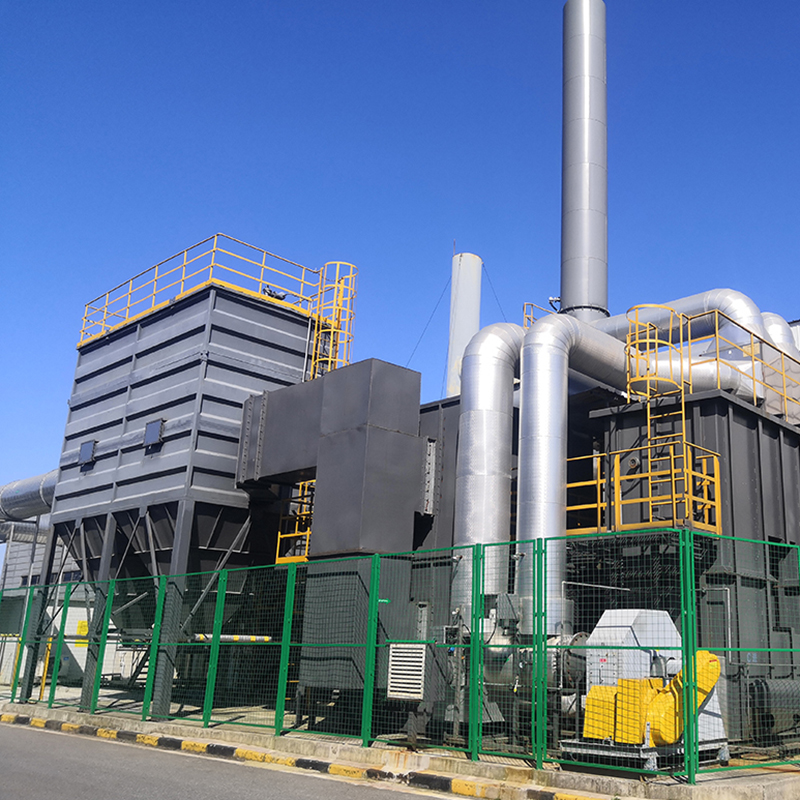
Концепция системы rto цеолита RTO Используя цеолитное колесо для адсорбированного газа органических отходов, низкая концентрация и высокий ...
Смотрите детали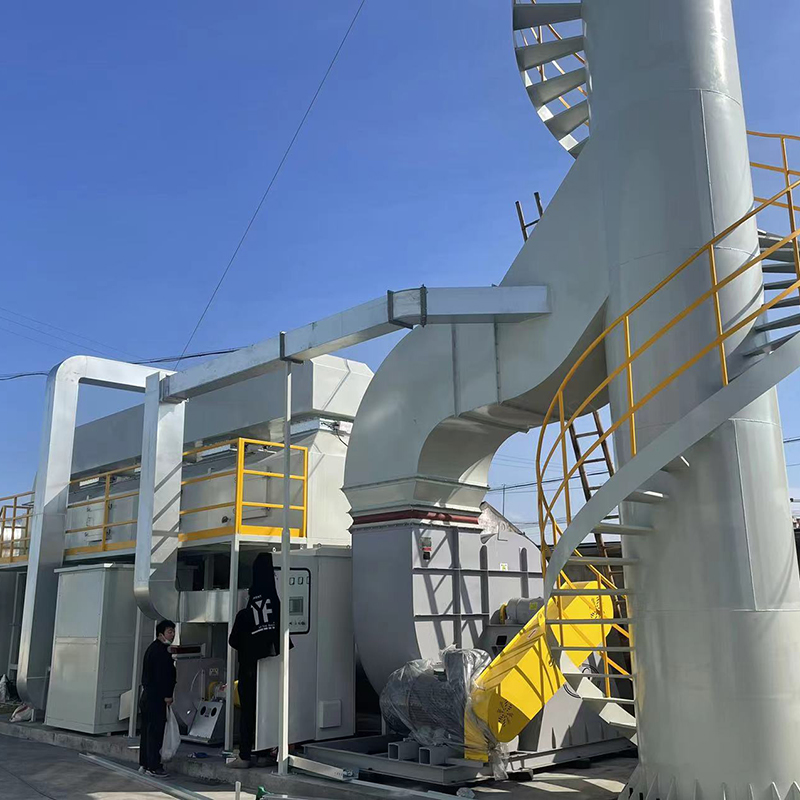
Оборудование для каталитической очистки VOC-CFT-CO Адсорбционное оборудование для каталитической очистки VOC-CFT-CO-CO, состоящее из активи...
Смотрите детали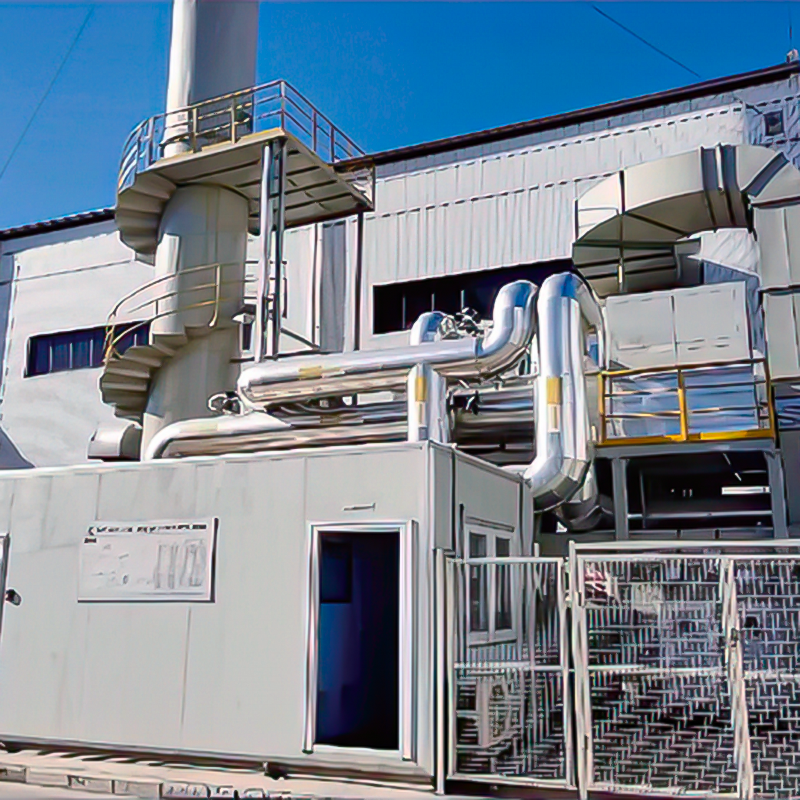
Концепция цеолитного вращающегося колеса каталитического сжигания в качестве набора оборудования В комбинированном процессе обработки газа ...
Смотрите детали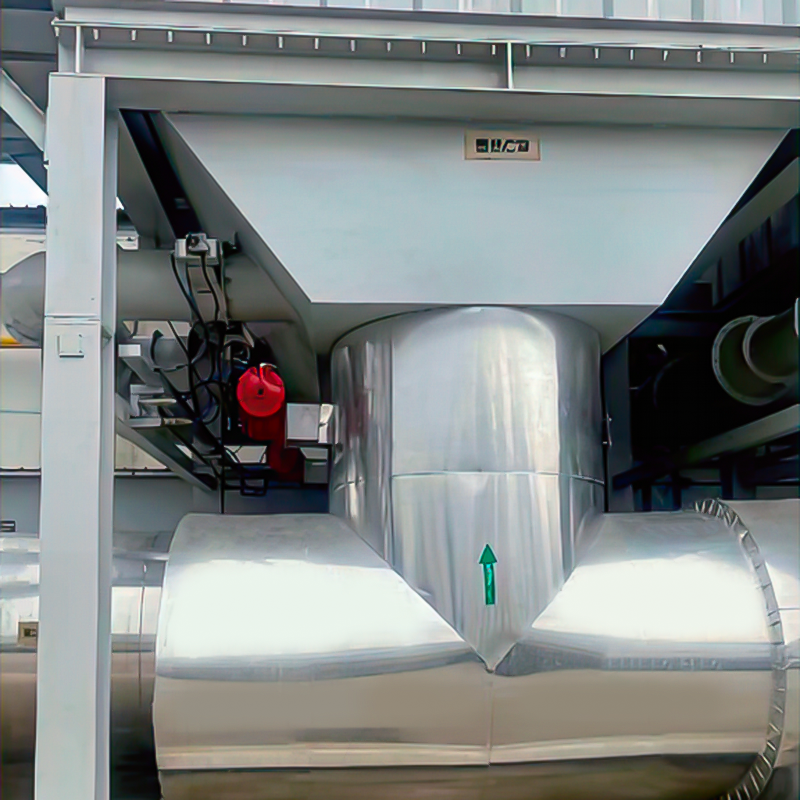
Цель В основном используется для пропорциональной вентиляции высокотемпературного дымового газа. LT широко используется в местах, где требо...
Смотрите детали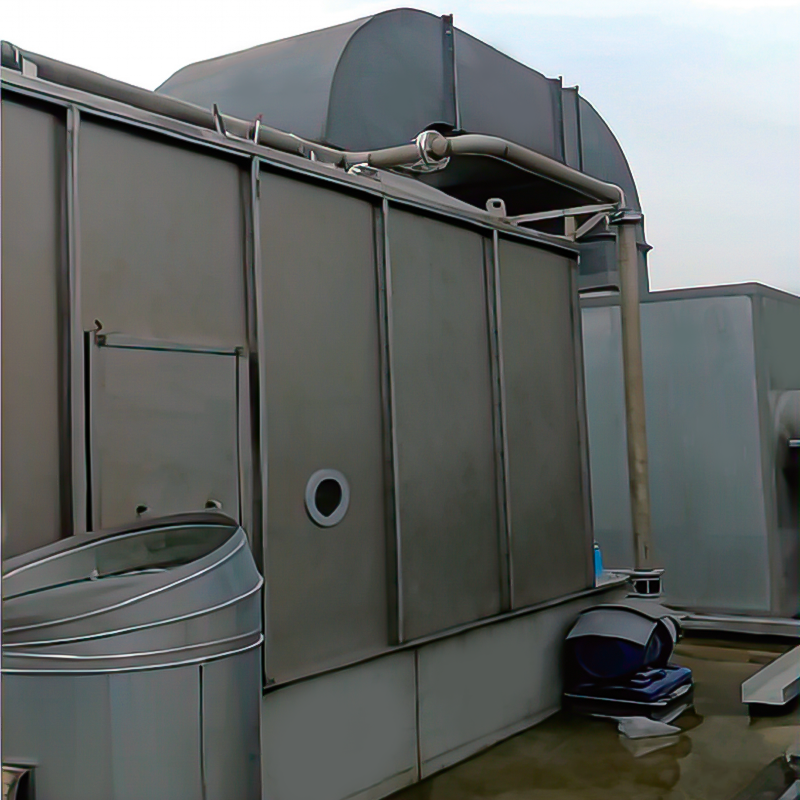
Обзор Принцип снятия влажной пыли использует процесс захвата и разделения частиц пыли в газовой фазе путем полностью контактируя газо-жидко...
Смотрите детали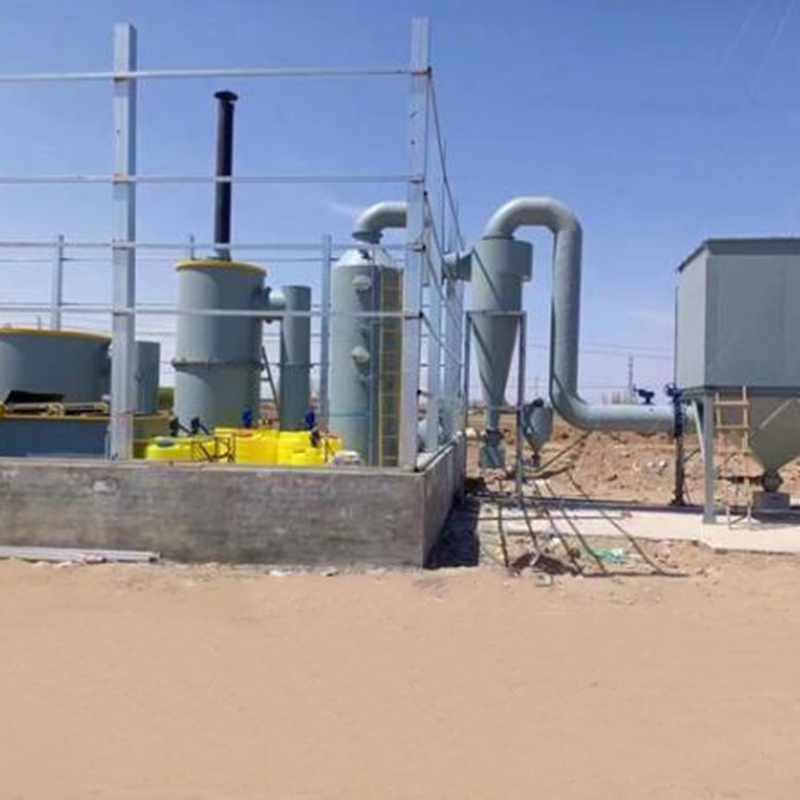
Обзор Печи сжигания твердых отходов являются важным оборудованием для управления твердыми отходами, предназначенными для превращения от...
Смотрите деталиМобильный
Инструкция по эксплуатации продукта

Авторское право © LV Quan Environmental Protection Engineering Technology Co., Ltd.
